Logo Is Not Identity: What Actually Makes a Visual System
Companies buy logos and wonder why their brand doesn't work. A logo is one component of identity system.
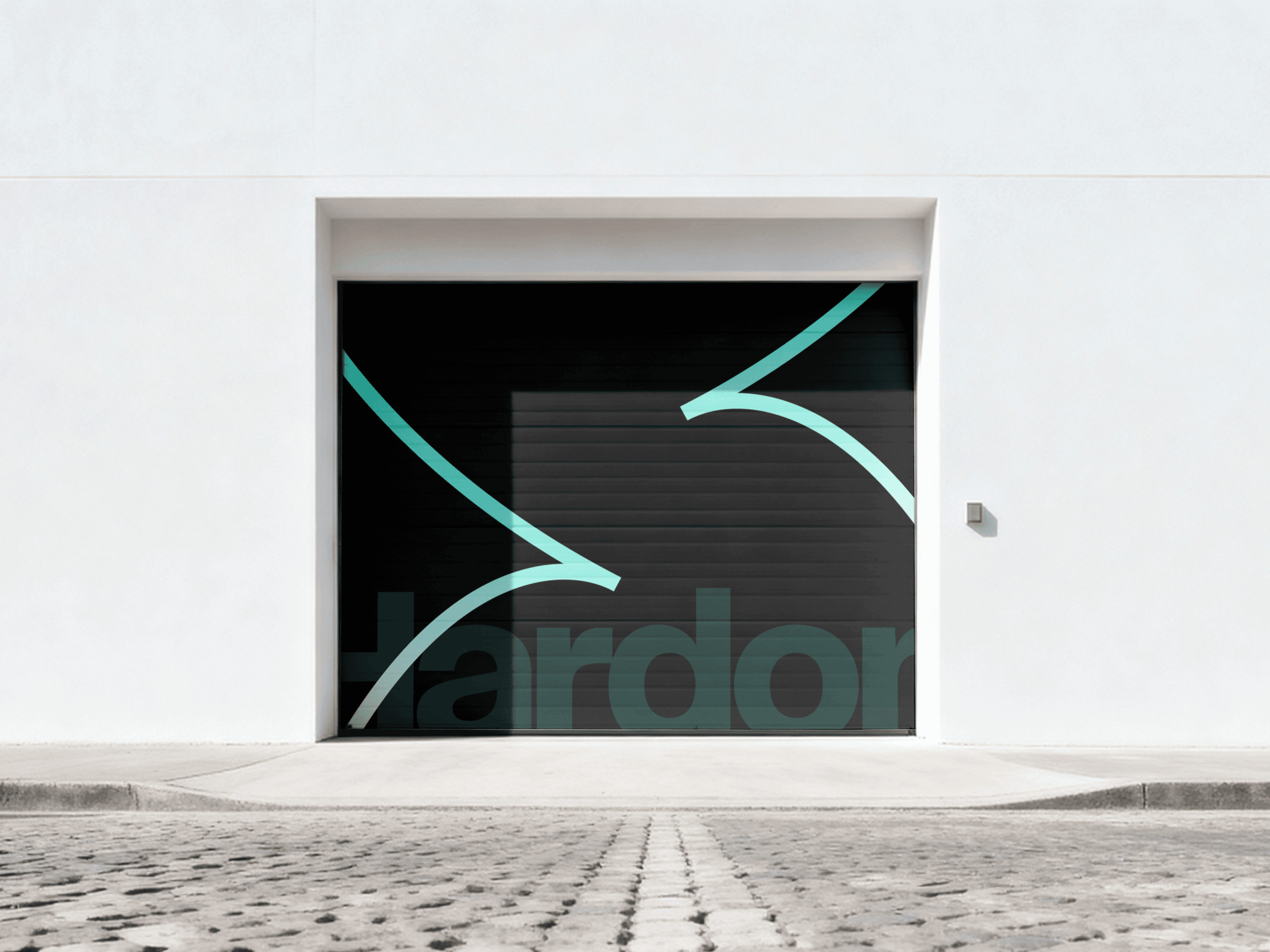
Companies come to us wanting "a logo." What they actually need is an identity system. The difference matters significantly. A logo is a mark, symbol, wordmark, or combination mark. It's the most visible component of your identity, but it's not the identity itself. Think of it as the nameplate on a building—important, yes, but not the whole structure. The Standard skincare brand has distinctive wordmark, but the identity system is what makes it work: brutalist packaging, ingredient-first layouts, pharmacy aesthetic, monochrome photography, editorial typography. The logo represents maybe ten percent of the complete system.
Companies come to us wanting "a logo." What they actually need is an identity system. The difference matters significantly. A logo is a mark, symbol, wordmark, or combination mark. It's the most visible component of your identity, but it's not the identity itself. Think of it as the nameplate on a building—important, yes, but not the whole structure. The Standard skincare brand has distinctive wordmark, but the identity system is what makes it work: brutalist packaging, ingredient-first layouts, pharmacy aesthetic, monochrome photography, editorial typography. The logo represents maybe ten percent of the complete system.
Typography creates more brand touchpoints than your logo ever will. How you set type matters as much as which logo you use. Type hierarchy, font pairings, size relationships, spacing standards—these appear in every customer interaction. Website copy, email communications, documents, presentations, product interfaces. Get typography wrong and your brand falls apart at scale, regardless of how beautiful your logo is. Most customer interactions happen through typography, not logo usage. This is why comprehensive typography systems are essential foundation of identity, not optional nice-to-have addition.
Typography creates more brand touchpoints than your logo ever will. How you set type matters as much as which logo you use. Type hierarchy, font pairings, size relationships, spacing standards—these appear in every customer interaction. Website copy, email communications, documents, presentations, product interfaces. Get typography wrong and your brand falls apart at scale, regardless of how beautiful your logo is. Most customer interactions happen through typography, not logo usage. This is why comprehensive typography systems are essential foundation of identity, not optional nice-to-have addition.
Good identity systems include minimum components: logo variations and lockups covering every use case, complete typography system with hierarchy and guidelines, color palette with systematic application rules when appropriate, grid and layout principles, photography and imagery direction, voice and tone guidelines, application examples across multiple contexts, and asset library in all necessary formats. Without these documented components, you have isolated logo file, not functioning identity system. The logo can't do the work alone—it needs complete supporting system to maintain consistency at scale.
Good identity systems include minimum components: logo variations and lockups covering every use case, complete typography system with hierarchy and guidelines, color palette with systematic application rules when appropriate, grid and layout principles, photography and imagery direction, voice and tone guidelines, application examples across multiple contexts, and asset library in all necessary formats. Without these documented components, you have isolated logo file, not functioning identity system. The logo can't do the work alone—it needs complete supporting system to maintain consistency at scale.
Systems scale where logos don't. Brand perception isn't formed by logo alone. It's formed by every email footer, presentation slide, social media post, product screen, customer touchpoint, and marketing material. Systems ensure all these moments reinforce the same strategic positioning. When Lattice built their design system, they weren't fixing their logo—they were fixing inconsistency across fifteen product features. The system solved what logo couldn't. Start with system thinking. The logo is just one piece of comprehensive identity infrastructure that actually works at scale.
Systems scale where logos don't. Brand perception isn't formed by logo alone. It's formed by every email footer, presentation slide, social media post, product screen, customer touchpoint, and marketing material. Systems ensure all these moments reinforce the same strategic positioning. When Lattice built their design system, they weren't fixing their logo—they were fixing inconsistency across fifteen product features. The system solved what logo couldn't. Start with system thinking. The logo is just one piece of comprehensive identity infrastructure that actually works at scale.
Alex Morgan
Creative Director
Like this template?